Ask ten agents what they send a serious buyer for a five-million-pound house and you will hear the same three items in different orders: a floorplan, a virtual tour, and, more recently, a film. They are often spoken of interchangeably. They are not the same thing, and the confusion costs deals.
Each does a different job. The agents who close consistently at this level understand which one to send, when, and why.
The floorplan
A floorplan is a document. It answers a specific question — how the rooms relate to one another and how big they are — and it answers it with certainty. A serious buyer at five million will look at the floorplan more than any other piece of material the agent sends. It is where their architect will begin. It is what their spouse will pin to the fridge.
A floorplan does not sell a house. It qualifies one. If the floorplan is wrong for the buyer — the wrong number of bedrooms, no room for staff, the master facing the wrong direction — no film in the world will save the viewing. The floorplan's job is to prevent a wasted afternoon, and it is very good at it.
The virtual tour
The virtual tour is the most misunderstood of the three. Sold as an immersive experience, it is in fact a very slow floorplan. A buyer clicks through a spherical view of each room, learning where the light falls and how the spaces flow. That is useful. What it is not is atmospheric.
Virtual tours reward the buyer who is already interested and wants to check something specific — how much wall space is in the drawing room, whether the kitchen faces the garden. They do not create interest. Nobody has fallen in love with a house by dragging a mouse across a 360-degree bubble.
The best agents treat virtual tours the way they treat floorplans: as reference material, sent alongside the brochure to buyers who have already been engaged by something else.
The film
The film is the only piece of material designed to create desire. It is not a document. It is a piece of persuasion.
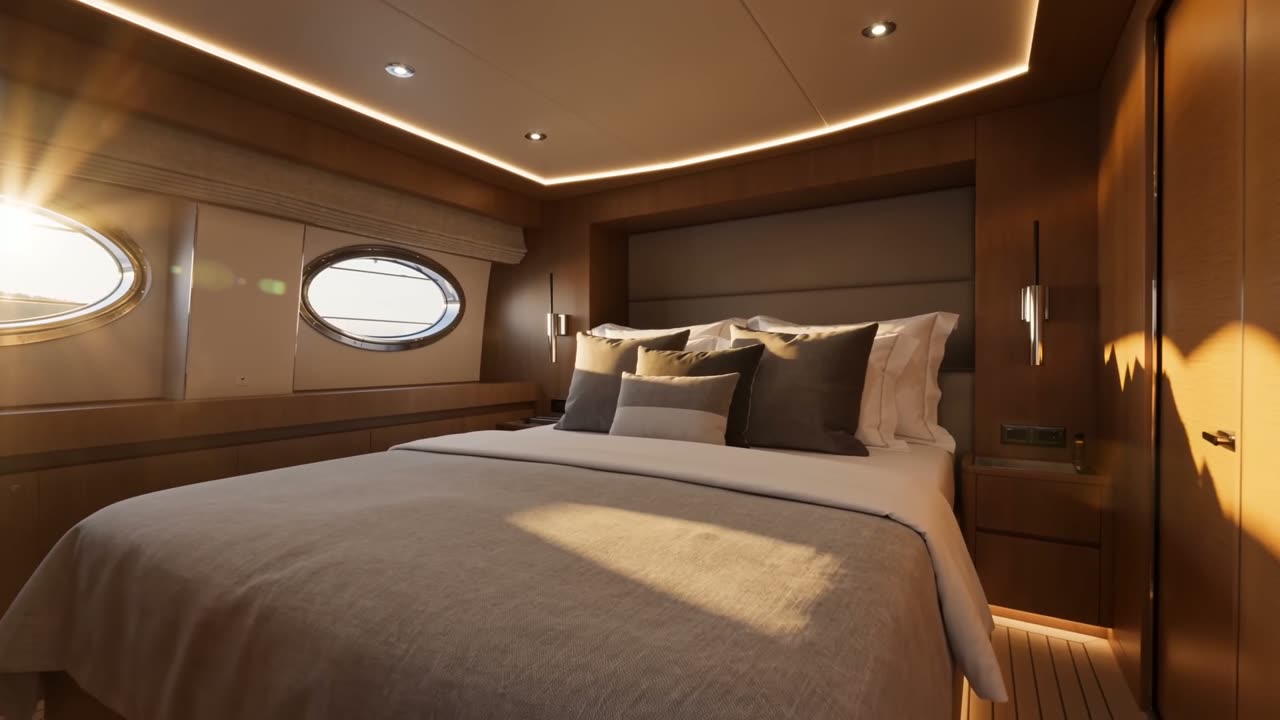
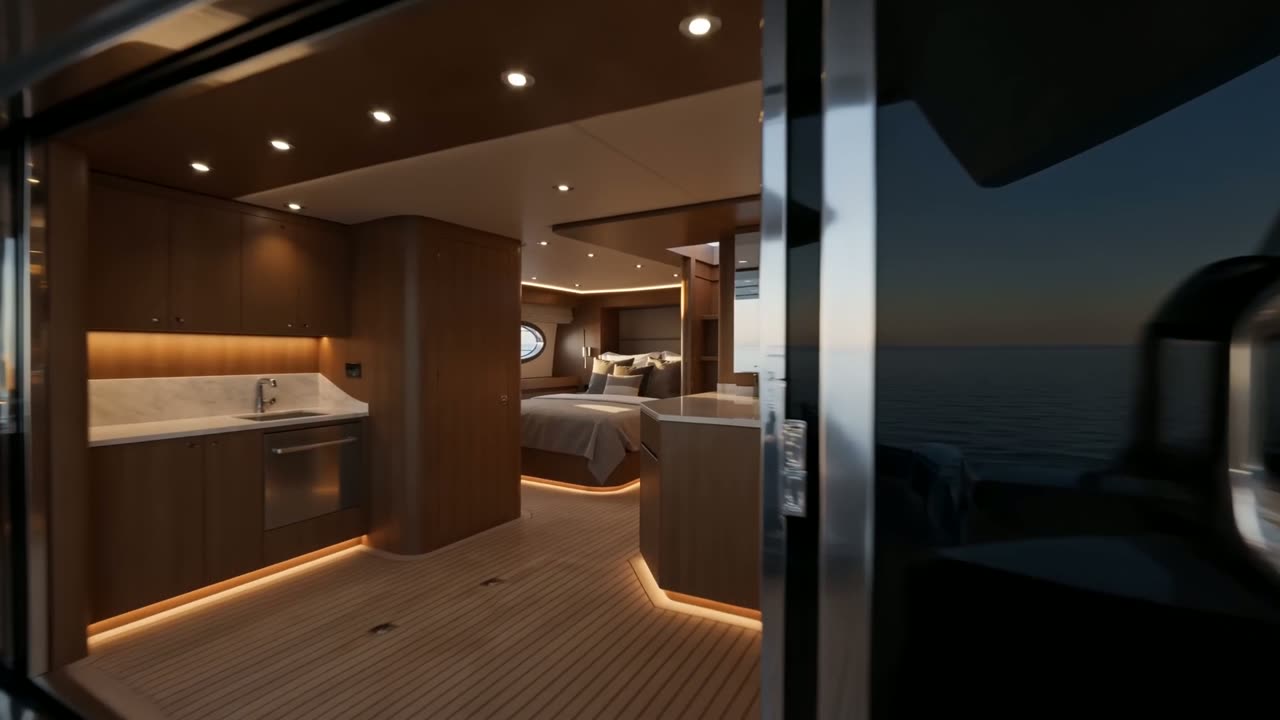
A well-made film at this level lasts under three minutes and does one thing: it makes the buyer imagine themselves living in the house. Not touring it — living in it. The morning light through the drawing room window. The sound of the gravel under a car. The moment the front door closes behind them and the noise of the street disappears.
That is not a job the floorplan or the virtual tour can do. It is not a job photography alone can do. Film moves through time, and a house is experienced through time.
When to send which
The order matters more than most agents realise. The film goes first, before anything else, because its job is to create the emotional decision to view. The floorplan follows, because the buyer's next question is always practical. The virtual tour, if it exists, goes last — a reference the buyer can return to once the first two have done their work.
Sending them in the wrong order collapses the process. Lead with a floorplan and the buyer's brain engages before their imagination does; the house is measured before it is felt. Lead with a virtual tour and the buyer becomes an inspector rather than a dreamer. Lead with a film and the buyer arrives at the viewing having already partly decided.
What we do
The films Parallax delivers are made for this specific job — the first piece of material a buyer receives, sent ahead of the viewing, cut to persuade rather than to inform. They are short. They are quiet. They are cinematically graded rather than photographically lit. Every commission is delivered inside twenty-four hours from the imagery we are sent.
The floorplan and the virtual tour will still be in the brochure. They belong there. But the piece that opens the door is the one that shows the buyer, in ninety seconds, what it feels like to be inside.