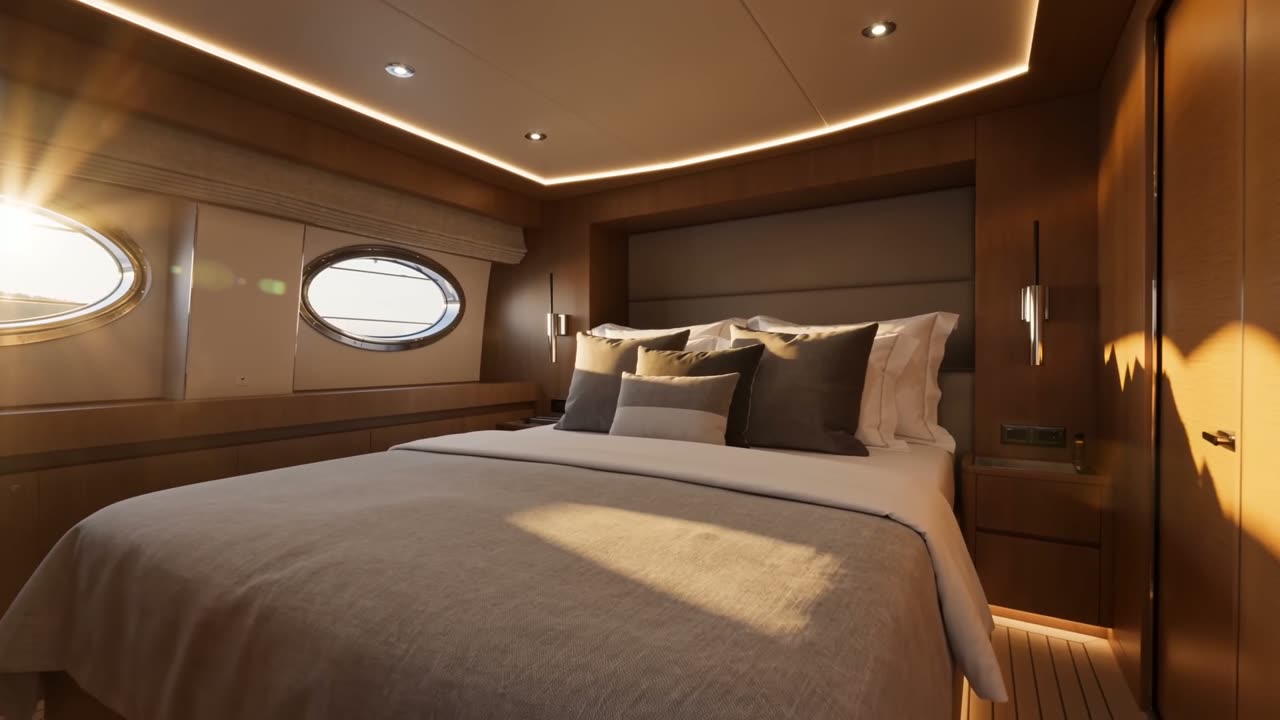
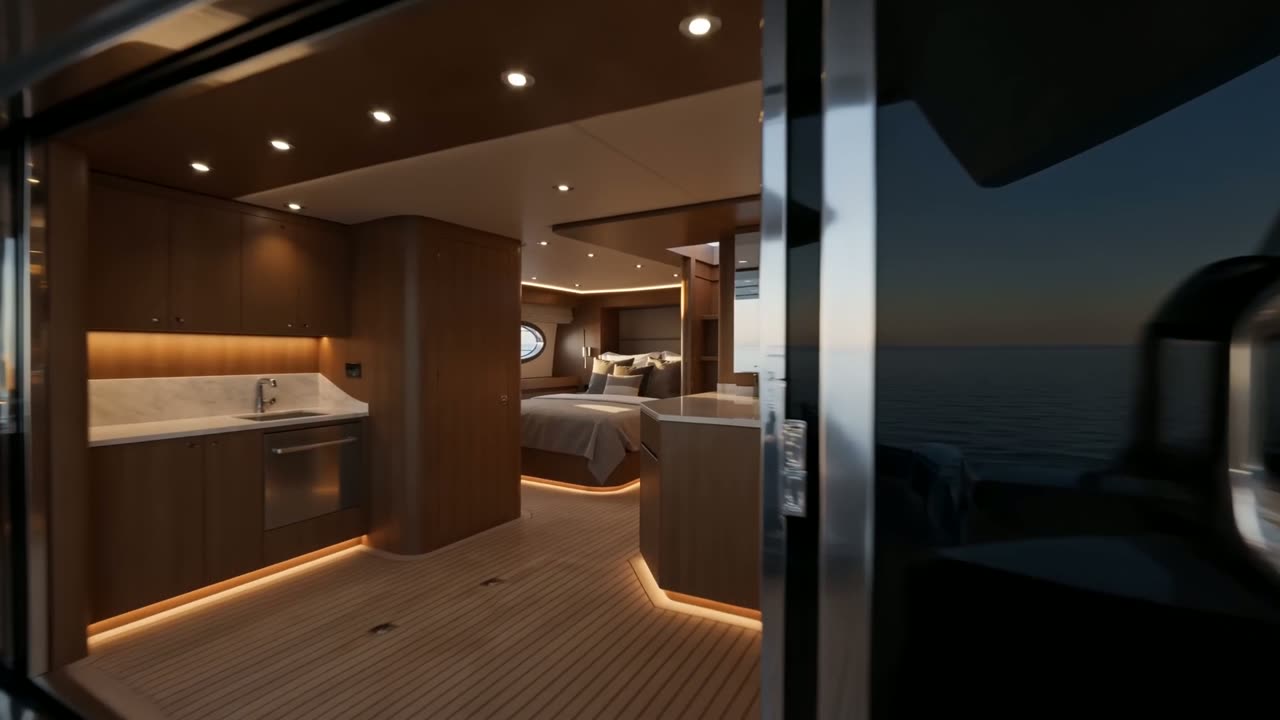
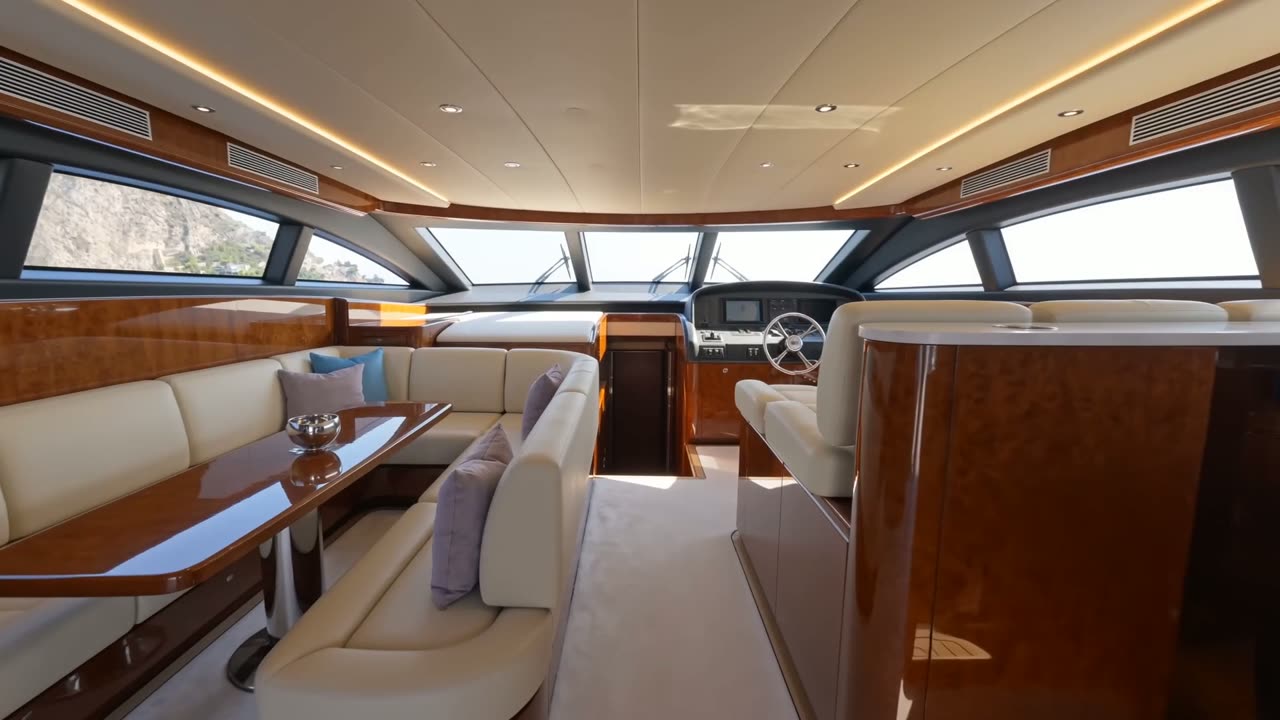
A photograph tells you what a room looks like. A film tells you what it feels like to walk into it.
For two decades, the property industry has treated photography as the definitive medium of a listing. It is not. Photography is a spec sheet in visual form — geometry, light, finish. It is inventory, catalogued. Film is something else entirely: it is time, motion, and the suggestion of a life already being lived inside four walls.
The shift is not aesthetic. It is behavioural.
Most buyers now decide whether to enquire about a home within the first sixty seconds of encountering it online. In that window, a gallery of stills asks the buyer to do the work — to assemble the rooms in their head, to imagine the flow, to guess at the sense of the place. A film does the work for them. It moves them through the property the way a viewing would, but without the friction of arranging one.
The agents we work with tell us the same thing again and again. Buyers who watch the film in full arrive at the viewing already sold on the idea of the house. They are there to confirm, not to discover. The conversation at the door is different. The offer arrives faster. The chain is shorter.
This is not a case for film as a marketing gimmick. It is a case for film as the correct medium for a category — the same way fashion houses long ago stopped selling clothes with catalogue photography, and now sell them with films.
A property deserves the same treatment.
We deliver a cinematic film for a residence within twenty-four hours of receiving the listing photography. No crew visits the property. No shoot day is required. The film that lands in the agent's inbox is a finished piece of cinema — colour-graded, scored, edited to the pacing of a listing that expects to sell.
If you would like to see what your next listing looks like as a film, the enquiry form is a paragraph long.