Walk the floor at any private aviation trade show and you will see a strange pattern in the marketing collateral. The specification sheet is beautifully printed. The operator's brochure opens with a photograph of the aircraft on the ramp. The website has a cutaway diagram showing the range from Farnborough. The one thing that would actually close the charter — a film of the cabin — is often missing entirely.
It is a market convention that is a decade out of date.
What the client is buying
The private aviation client, whether a charter customer or a fractional-share buyer, is not buying an aircraft. They are buying six hours of their life. The question in their head when they consider a flight is not "what is the range of this Gulfstream" — the operator has already confirmed it will make the trip. The question is "what will it feel like to be inside it".
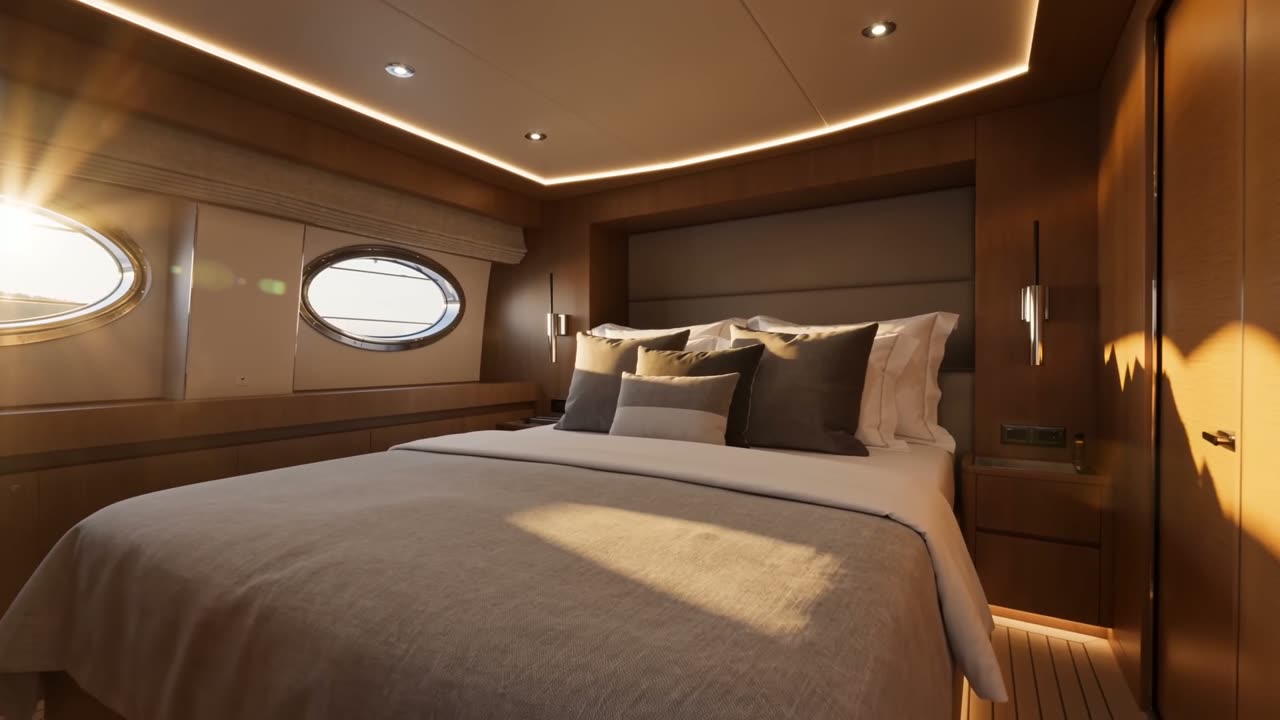
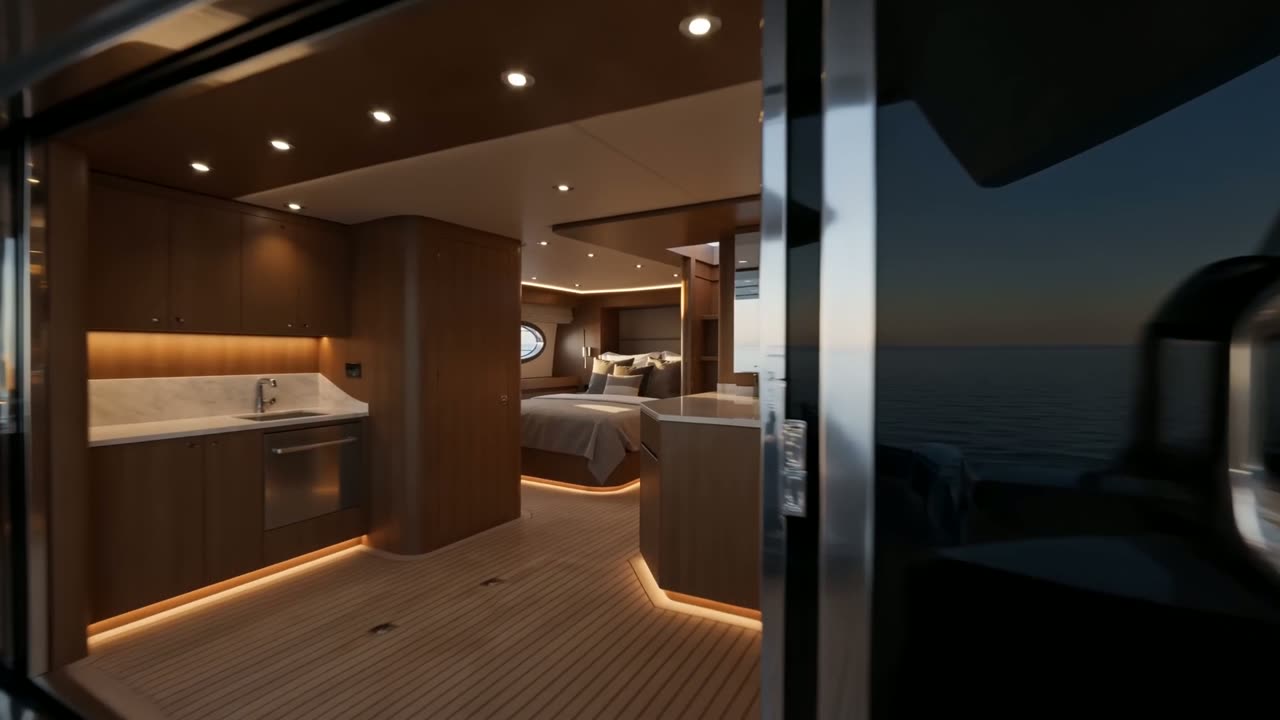
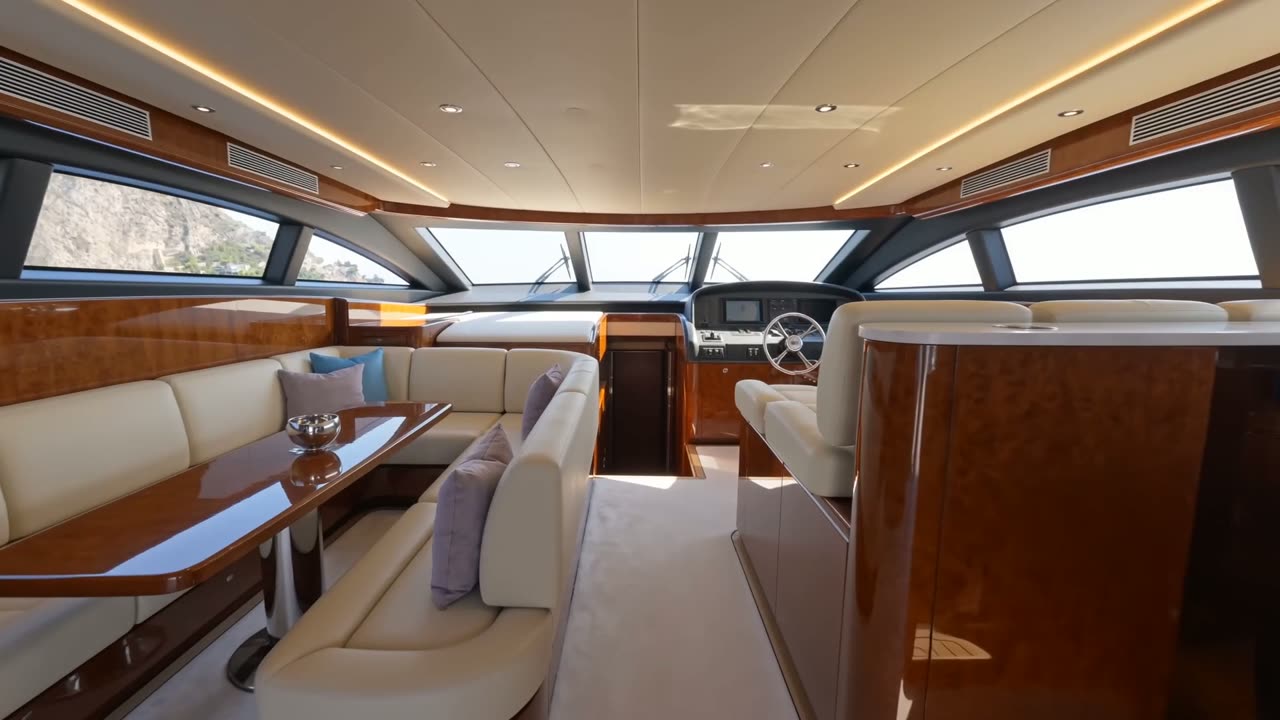
A specification sheet cannot answer that. A ramp photograph cannot answer it. The only material that can is a film of the cabin, shot or built at eye level, showing the light, the finish, the room, and the specific choices — a divan configuration, a stateroom door, a bar setup — that make one G650 feel different from another G650 with the same tail-code paint scheme.
Why the industry has been slow
Two forces. The first is that private aviation, more than yachting or property, is a specification-driven culture. The people who run charter departments came up on range tables and hourly rates. Their instinct is to sell what can be measured. Cabin atmosphere does not sit on a spec sheet.
The second is practical. Filming the cabin of an in-service private jet is genuinely hard. The aircraft is either flying, positioning, or being cleaned for the next departure. A shoot day is a lost revenue day, and the operators who can afford one tend to reserve it for the delivery photographs and never repeat the exercise. As a result, most operators' cabin material stops at the day the aircraft entered service, sometimes ten years before.
What changes when a cabin film exists
Operators who commission a proper cabin film for each aircraft in their fleet report the same three effects.
First, the length of the sales conversation drops. A charter client who has watched a two-minute film of the cabin arrives at the quote already sold on the aircraft; the conversation is about dates, catering, and price. Without the film, that conversation is longer and, more importantly, involves comparisons to other operators.
Second, the aircraft that photograph less well on the ramp — often the mid-cabin business jets sitting between light and heavy categories — start to win charters they would have lost. On paper they are the compromise choice. On film, if the cabin is warm and well-configured, they read as the right choice.
Third, fractional and jet-card operators find their close rate rising specifically on the aircraft that were previously hardest to sell. The film is not doing magic; it is doing the work the specification sheet was never able to do.
What the film should be
The cabin film that works is short — under two minutes — and shot or built at seated eye level rather than from above. The temptation to open with an aerial of the aircraft on the ramp should be resisted; the client is not deciding whether to buy the aircraft, they are deciding whether to be inside it. The exterior is a supporting frame at most.
The scenes that matter, in order: the walk to the door, the moment of stepping into the cabin, the seated view forward and aft, the stateroom or divan if the aircraft has one, the galley, the lavatory. The last three are usually skipped in operator marketing and are the three most-often-asked-about spaces on a first charter.
What we do
Parallax builds cabin films for private aviation from the operator's existing photography. No shoot day required, no positioning flight, no lost revenue. The finished film is delivered inside twenty-four hours from the moment the assets are received.
For operators running a fleet of eight or twelve aircraft, the practical implication is that every hull in the fleet can have a current, cinematic cabin film in a week rather than a season. The specification sheet still has its place. It is no longer the first thing the client sees.