For most of the last twenty years, filming a superyacht meant a shoot day. A crew flew to Antibes or Fort Lauderdale, a captain rearranged the charter calendar, a director of photography spent three days on board waiting for the right light, and a broker somewhere paid the invoice. The finished film cost more than the marketing budgets of the ten smaller yachts on the same broker's books.
That model has been quietly breaking down. Brokers listing yachts between eighty and two hundred feet cannot justify a shoot day for every hull. Owners are reluctant to give up the calendar. And the photography most yachts already have — commissioned at delivery, updated after refit — is, in almost every case, enough to build a cinematic film from.
What the yard photographer left you
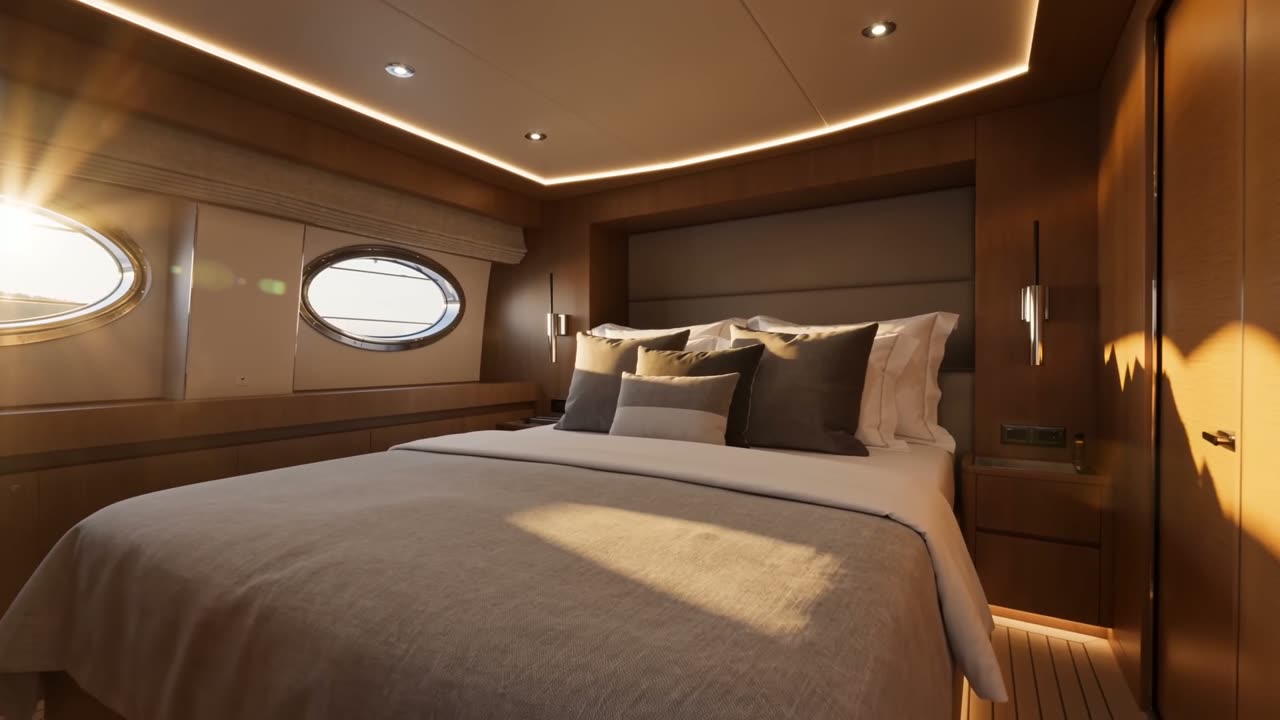
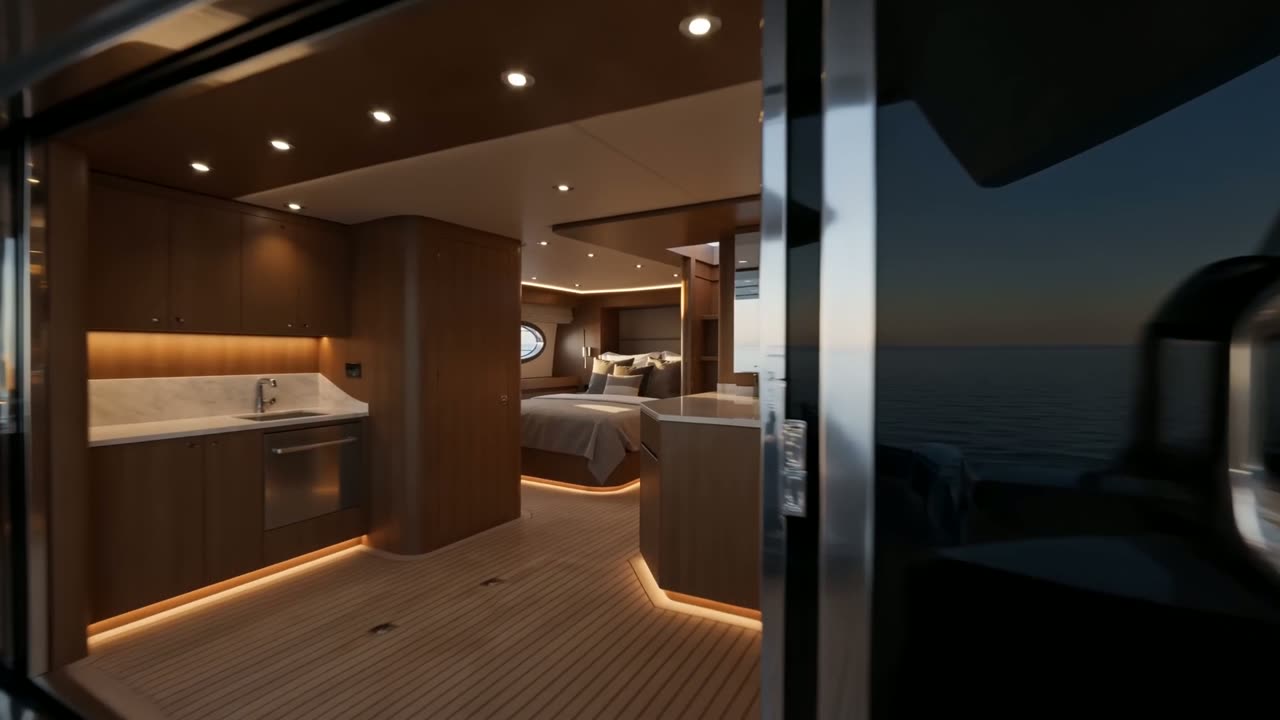
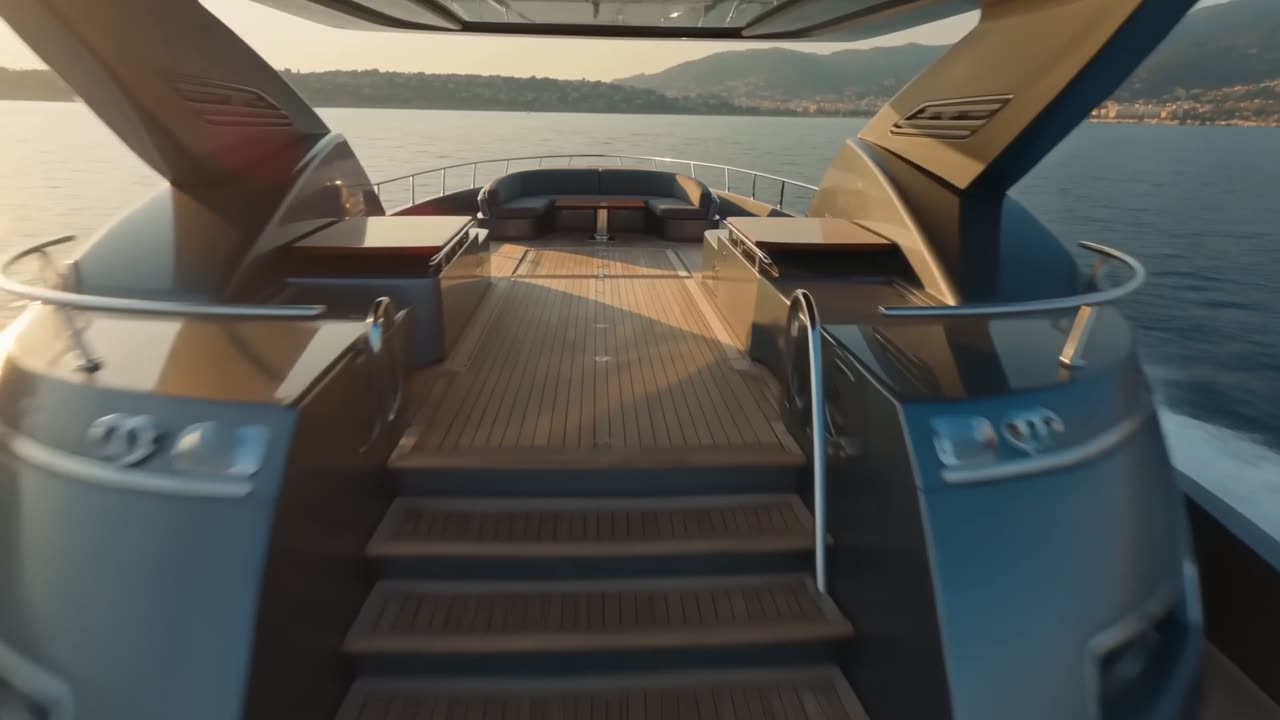
Every serious yacht arrives at its owner with a professional photography set: exterior stills at anchor and underway, interiors of every stateroom, detail shots of the bridge and the tender garage, sometimes a set of aerials. That library, sitting in a broker's shared drive, is the source material for a film.
The photographs are stills. The film's job is to give them motion — a slow move across the sundeck, a rising reveal of the main salon, a push through the sliding doors onto the aft cockpit. What the eye reads as a shot of a moving yacht is, in fact, a still frame animated with directorial intent.
What can be built, and what cannot
There are limits, and honesty about them protects the finished film. What can be built without a shoot day: the exterior at anchor, the interior of every space that was photographed, aerial context of the coast and the water, the sense of motion, the sense of scale, and the atmospheric qualities that sell a yacht — light, quiet, luxury, privacy.
What cannot be built: a scene that was never photographed. If the tender garage was skipped by the photographer, the film cannot invent one. If the master stateroom was shot only in daylight, an evening scene there will have to be avoided or graded delicately. This is a constraint, not a wall — the yachts that photograph well tend to have been photographed well enough.
Why the industry has been slow to accept this
Two reasons. The first is that the shoot day, for a long time, was the only thing that produced usable footage, and habits harden. The second is that the brokerages selling the very largest yachts — three hundred feet and up — genuinely do need bespoke shoots, and the practice at that level trickles down as an assumption at every level below.
For the vast majority of yachts on the market — the eighty-to-two-hundred-foot range where most of the brokerage volume happens — a shoot day is a luxury the sale does not justify. A film built from existing photography, delivered in a fortnight rather than a season, is the honest tool for the job.
The Riva we built
The most-watched piece on the Parallax site is a scroll-driven flythrough of a Riva 86. It was built from photographs, drone stills, and a floorplan. No shoot day. No crew on board. The owner never had to reshuffle the calendar, and the broker had a finished film in the buyer's inbox forty-eight hours after commissioning.
That is not exceptional. That is the method.
What we do
Parallax films yachts from the material a broker already has. Photography, floorplans, and aerials — nothing more. The finished film is delivered inside twenty-four hours from the moment the assets are received. For brokers, that means a listing can move from instruction to a filmed marketing package in a week rather than a season, at a fraction of the cost of a traditional shoot.
Some yachts still deserve a shoot day. Most do not. Knowing the difference is worth as much to a brokerage as the film itself.