There is a quiet convention among the agents who sell the finest houses in London. They do not chase viewings. A viewing at eight million pounds is expensive — for the vendor, for the agent, and for the buyer who flies in on a Wednesday afternoon to walk through a house that was never right for them. The best agents have learned to place a film between the enquiry and the diary.
The mechanic is simple. A buyer registers interest. Before a slot is offered, they receive a short film — two minutes, cinematically graded, cut to breathe. If they respond warmly, a viewing is arranged. If they do not, no one has lost an afternoon.
Why this works at the top of the market
Photography has always shown a house. Film shows how it feels to walk through one. At eight or twenty or fifty million, the decision is not made on square footage or the marble in the kitchen. It is made on atmosphere — a quality that photography can hint at and film can carry.
A buyer sitting in a hotel suite in Singapore watching a two-minute film knows, within thirty seconds, whether the house belongs on their shortlist. That decision would have taken a trip and a morning before. Now it takes the length of a coffee.
What the agents tell us
The agents we work with describe three shifts since they began sending films ahead of viewings:
The first is that the number of viewings falls, and the quality of those viewings rises. Fewer people walk through the door, but the ones who do are already halfway to an offer. Second-viewing conversion moves markedly.
The second is that vendors relax. A vendor who has lived in a house for twenty years finds it draining to have strangers walking through it every Saturday. When each viewing is a real buyer, the process becomes tolerable again.
The third — and the agents rarely say this out loud — is that the film flatters them. It signals that the instruction is being handled with the same care the buyer expects to receive at every other point in their life. Sending a photograph and a floorplan does not signal that.
The film itself
There is a temptation, in the first film an agent commissions, to include everything. Every room, every angle, every feature the vendor is proud of. It does not work. A two-minute film that shows the whole house is a checklist set to music.
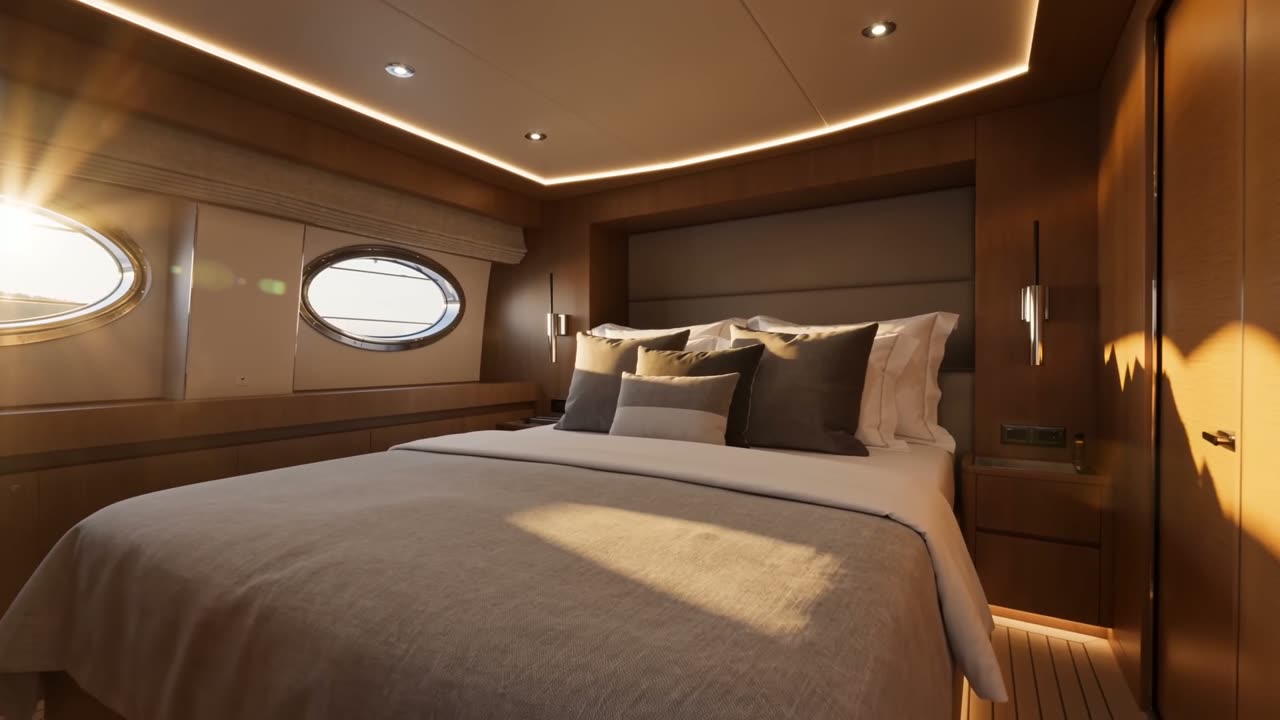
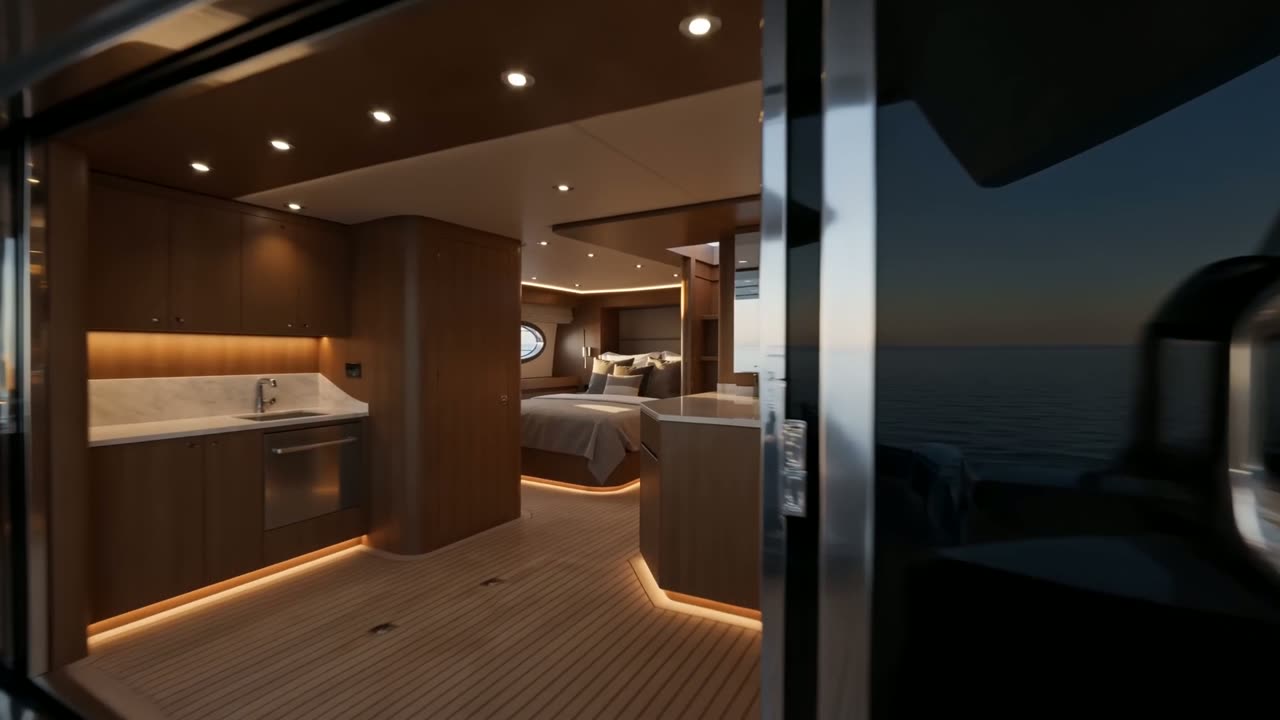
The films that shortlist buyers move differently. They open on one moment — light through a window at a specific hour, a hand on a bannister — and let the rest of the house arrive slowly. They cut to a rhythm closer to a fashion film than an estate video. There is no voiceover, and often no on-screen text at all. The house speaks for itself.
How it fits into the process
The best-run agencies now treat the film as the first document a buyer receives, ahead of the brochure and the floorplan. Some send it as a private link the day the buyer registers. Others hold it back for a shortlist of five or six the vendor has approved. Both work. What matters is that it arrives before the viewing, not after.
For international buyers — a majority of the prime-London market — the shift is more pronounced. A private buyer in Hong Kong or the Emirates is unlikely to fly for a house they have only seen photographed. They will fly for one they have watched.
What we do
Every property we film is delivered inside twenty-four hours from the moment we receive the imagery. No shoot day, no crew arriving at the vendor's door, no scheduling around the housekeeper. The agent sends us what they already have — a set of photographs, a floorplan, perhaps a drone still — and we return a finished film ready to send on.
For agents, that is the point. The film has to be effortless to commission, or it will not be commissioned at all. It has to be beautiful, or it will not be sent on. And it has to arrive quickly, because the market at this level does not wait for anything.